From Big City to Back Roads: Why Smithville Is Exactly Where People Want to Be Right Now
Not long ago, leaving Smithville for the city felt like the obvious move. You graduated, you packed your car, and you headed somewhere with a skyline. That was just how it went.
But something has shifted — quietly at first, then all at once. The flow of people isn't moving in just one direction anymore. And if you've noticed a few more unfamiliar faces at the Saturday market, or spotted out-of-state plates parked outside the coffee shop on Meridian, you're not imagining things. Smithville is having a moment. The bigger question is: why now, and does it last?
The Pandemic Cracked the Door Open
Let's be honest — COVID-19 didn't start the trend, but it absolutely kicked it into overdrive. When millions of Americans suddenly found themselves working from a kitchen table, the logic of paying $2,400 a month for a one-bedroom in a city they couldn't even enjoy started to fall apart fast.
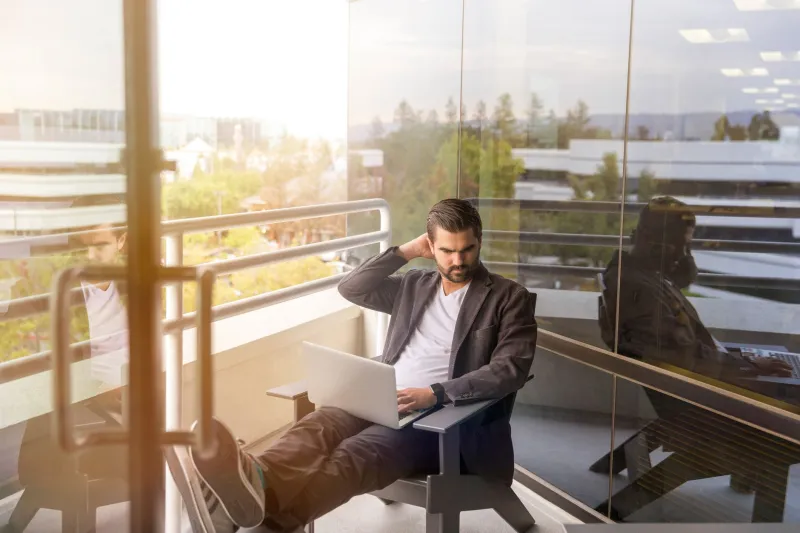
Remote work didn't just change where people worked. It changed how they thought about where they lived. For a generation that had accepted urban density as the price of professional opportunity, the realization that a laptop and a decent Wi-Fi connection could travel anywhere was genuinely liberating.
Small towns like Smithville — with lower costs of living, actual square footage, and the kind of neighbor-knows-your-name culture that sounds corny until you actually experience it — suddenly looked less like a consolation prize and more like a legitimate choice.
The Social Media Factor Is Real (Even If It's a Little Ironic)
Here's something worth sitting with: part of what's making small towns cool again is the internet — the same force that once made them feel provincial and cut off.
Scroll through TikTok or Instagram on any given afternoon and you'll find creators documenting their "soft life" in small-town America. Footage of wraparound porches, weekend flea markets, homemade pies, and golden-hour drives down two-lane roads has racked up millions of views. There's a whole aesthetic built around slowing down, and small towns are the backdrop.
Smithy locals have noticed it too. "I had a woman come into my shop last spring," said one downtown shop owner who's been on Main Street for over a decade. "She told me she'd seen a Reel about Smithville and just wanted to check it out for herself. She ended up moving here four months later."
That's not an isolated story anymore.
What Smithville Actually Offers That You Can't Fake
Trends come and go, but the people who end up staying in places like Smithville tend to point to the same things — and none of them are aesthetic.
Affordability is the obvious one. The difference between a mortgage payment here and a rent check in a major metro can be staggering. For younger buyers who had written off homeownership as a fantasy, that gap is life-changing.
But beyond the numbers, there's something harder to quantify. Smithville has the kind of civic infrastructure that bigger places lose once they get too big — school boards where your voice actually registers, local elections where turnout genuinely matters, community events where you run into someone you know every ten minutes. That's not nothing. In fact, for a lot of people coming from anonymous urban environments, it's everything.
"I used to live in a building with 200 units and I knew exactly zero of my neighbors," said one transplant who relocated here about two years ago with her husband and their dog. "Here, I know the people on my street, I know the folks at the hardware store, I know who to call if something goes sideways. That's worth a lot."
The Creative Class Is Paying Attention
One of the more interesting threads in all of this is the arrival of artists, freelancers, and independent workers who are finding that small towns offer something cities stopped providing a long time ago: affordable space to actually make things.
Studio rent in a major city can run thousands of dollars a month. In Smithville, that same budget might get you a converted garage, a backyard workshop, or a downtown storefront with room to breathe. For potters, woodworkers, photographers, writers, and musicians, that math is hard to ignore.
There's a ripple effect, too. When creatives move in, they tend to open things — small galleries, recording spaces, specialty food businesses, independent bookstores. The town gets more interesting, which attracts more people, which generates more economic activity. It's a cycle that Smithville is just beginning to feel.
Not Everyone's Sold — And That's Worth Saying
It would be easy to write a straight boosterish piece here, but that wouldn't be the full picture.
Long-time Smithville residents have mixed feelings about the influx. Some welcome the energy and the new businesses. Others worry about rising property values pricing out families who've been here for generations. A few are just plain skeptical that the newcomers will stick around once the novelty wears off.
Those concerns aren't unfounded. Small towns have been "discovered" before, only to be left behind when the next trend rolled through. The difference this time — if there is one — may be the durability of remote work as a permanent employment model rather than a temporary workaround. If people don't have to go back to a physical office, the calculus stays different.
What Smithville does with this window matters. Smart investment in infrastructure, intentional support for local businesses, and a genuine welcome for newcomers without bulldozing what made the town worth moving to in the first place — that's the balance that will determine whether this moment becomes a chapter or just a footnote.
A Town That's Always Known What It Had
Talk to anyone who grew up here and never left, and they'll tell you: Smithville was never waiting to be discovered. It was always good. The rest of the country is just finally catching up.
Maybe that's the most Smithville thing about all of this. While coastal cities were selling people on the dream of density and hustle, this town was quietly being exactly what it always was — a place where people look out for each other, where the pace is human-scaled, and where you can build a life without burning yourself down to afford it.
The trend piece will eventually get written about somewhere else. But the people who've landed here, unpacked their boxes, and started calling Smithville home? They're not thinking about trends anymore.
They're just living here. And from everything we can tell, they're pretty happy about it.